Jun Wang Laboratory · NYU

Decoding Immune Feedback.
Engineering Immunotherapy.

We investigate immune checkpoint and immune feedback receptor–ligand biology within disease microenvironments and translate mechanistic discoveries into next-generation therapies for cancer, autoimmune disease, and beyond.

PD-1 4-1BB Siglec-15 SUSD6/TMEM127 TACI LAG-3 MIFN PD-L1 4-1BBL Tumor MHC-I FGL1 FGL1 Tumor ·
Scientific focusImmune feedback receptor–ligand biology
ApproachDiscovery · mechanism · engineering
Therapeutic areasCancer · autoimmunity · infection
InstitutionNYU Grossman School of Medicine
Research focus

Immune feedback receptor–ligand biology

We study how negative-feedback receptor–ligand pathways maintain immune balance, how these circuits are rewired in disease, and how they can be engineered into more precise immunotherapies.

3D immune feedback biology in disease tissue
T

T-cell checkpoint biology

We dissect PD-1 and LAG-3 receptor organization, ligand-dependent suppression, and proximity to the TCR, and use these principles to engineer selective T-cell modulation.

PD-1 · LAG-3 · BiTS
B

B-cell immune feedback

Our discovery of FGL1 as the first inhibitory ligand for TACI reveals a new layer of extracellular regulation of B-cell and humoral immune responses.

FGL1 · TACI · humoral immunity
I

Tumor immune evasion

We investigate tumor-associated pathways that impair antigen presentation and suppress antitumor immunity, including Siglec-15 and the SUSD6/TMEM127/WWP2 axis.

MHC-I · Siglec-15 · immune evasion
V

Myeloid & viral immunology

We study key myeloid receptor pathways that shape inflammation and host defense, including SARS-CoV-2-induced myeloid activation.

Myeloid biology · viral immunopathogenesis
Selected discoveries

From new biology to therapeutic opportunity

Our work spans receptor–ligand discovery, mechanistic immunology, and therapeutic engineering.

Siglec-15Nature Medicine

Siglec-15

Discovery of Siglec-15 as a PD-L1-orthogonal immune suppressor and therapeutic target.

NATURE MEDICINE · 2019
FGL1 · LAG-3Cell

FGL1–LAG-3

Identification of FGL1 as a major inhibitory ligand for LAG-3 and a new mechanism of checkpoint regulation.

CELL · 2019
MHC-I AxisCell

MHC-I inhibitory axis

Discovery of a membrane-associated pathway controlling MHC-I degradation and cancer immune evasion.

CELL · 2023
PD-1 · LAG-3Sci Immunol / PNAS

PD-1 & LAG-3 mechanisms

Structural and membrane-level mechanisms that explain how checkpoint receptors organize and suppress T-cell activity.

SCIENCE IMMUNOLOGY / PNAS · 2024
LAG-3 BiTSCell

LAG-3 / TCR BiTS

Proximity between LAG-3 and the TCR guides selective suppression of pathogenic T cells and a new strategy for autoimmunity.

CELL · 2025
FGL1 · TACIImmunity

FGL1–TACI

FGL1 acts as the first inhibitory ligand for TACI, connecting FGL1 biology to B-cell immune regulation.

IMMUNITY · 2026
Scientific vision

Immune feedback receptor–ligand biology

Our central idea is that effective immunotherapy depends on understanding feedback circuits in context: where they operate, when they are induced, which cells they connect, and how strongly they regulate immunity.

By decoding and engineering these pathways, we aim to achieve more precise immune modulation while preserving protective immunity.
01 · DiscoverGenerate high-quality functional data and identify unexpected immune regulators.
02 · ReasonBuild mechanistic models that connect molecular interactions to immune behavior.
03 · ValidateTest causality using biochemical, cellular, structural and in vivo systems.
04 · EngineerTranslate immune feedback biology into antibodies, bispecifics and new therapeutic strategies.
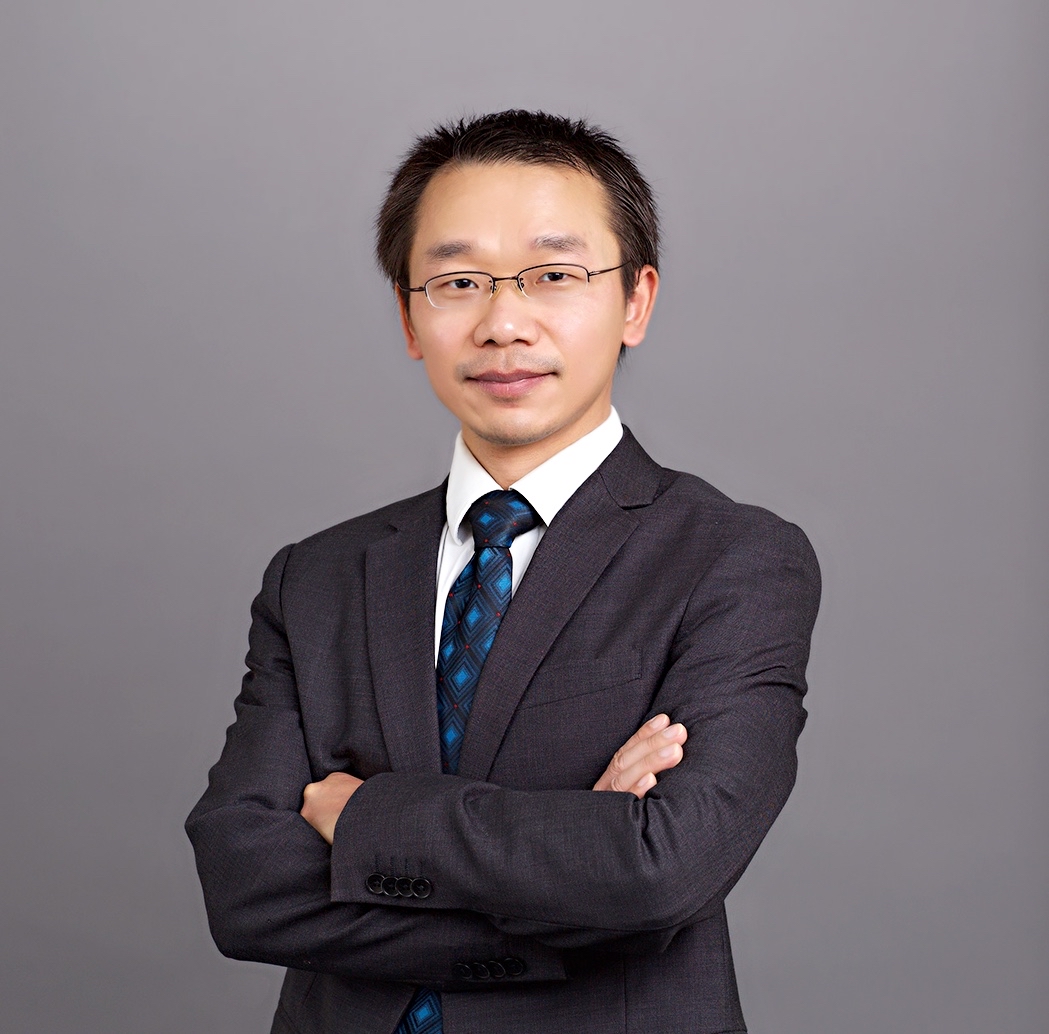
Jun Wang, PhD
Principal investigator

Jun Wang, PhD

Associate Professor, NYU Grossman School of Medicine
Member, Laura and Isaac Perlmutter Cancer Center

Jun Wang's research has focused on cancer immunotherapy and immune regulation for two decades. His early work investigated 4-1BB (CD137) immunotherapy and mechanisms of immune-related liver toxicity, including myeloid-associated pathways that could mitigate toxicity while preserving antitumor immunity. His subsequent work contributed to the discovery of Siglec-15 as an immune checkpoint, FGL1 as a functional ligand for LAG-3, mechanisms of PD-1 and LAG-3 regulation, a membrane inhibitory axis controlling MHC-I antigen presentation, and FGL1/TACI-mediated B-cell regulation.

The lab integrates fundamental receptor–ligand discovery, mechanistic immunology, protein engineering, and translational development to create new immunotherapies for cancer and autoimmune diseases.

TrainingPhD, Chinese Academy of Sciences · Postdoctoral training, Yale Immunobiology
Current roleAssociate Professor, NYU Grossman School of Medicine
Selected recognitionNIH/NCI R37 MERIT · Multiple NIH R01s · Tony Hunter Award in Cancer Research (2026)
Scientific trajectory

Major milestones

A continuing progression from discovery of new immune pathways to mechanistic understanding and therapeutic design.

2019

Siglec-15

PD-L1-orthogonal immune suppressor

2019

FGL1–LAG-3

New inhibitory ligand–receptor pathway

2021

Viral–myeloid biology

SARS-CoV-2 inflammatory mechanisms

2023

MHC-I inhibitory axis

Membrane control of antigen presentation

2025

LAG-3 / TCR BiTS

Selective pathogenic T-cell suppression

2026

FGL1–TACI

Inhibitory B-cell regulation

Complete publication list

Publications by year

2026

The liver-secreted protein FGL1 restrains a subset of innate-like B cell responses via the receptor TACI.
Immunity
Siglec-15 and PD-1 checkpoint blockade in combination with oncolytic Zika virus infection confers protection against immune-resistant gliomas.
Neuro-Oncology
PRECISE-seq reveals disease-relevant TCR repertoires with phenotypic plasticity.
Journal of Experimental Medicine
Lypd6b promotes colon tumorigenesis by inhibiting CD8+ T cell-mediated anti-tumor immunity through metabolic reprogramming.
Nature Communications

2025

Proximity between LAG-3 and T cell receptor guides suppression of T cell activation and autoimmunity.
Cell
T lymphocyte-specific deletion of SHP1 and SHP2 promotes activation-induced cell death of CD4+ T cells and impairs antitumor response.
PNAS
Profiling antigen binding affinity of B cell responses in tumors by deep learning.
Nature Cancer
Exploring New Frontiers in LAG-3 Biology and Therapeutics.
Trends in Pharmacological Sciences
Do circulating autoantibodies commonly found in healthy individuals reduce cancer risk?
Medical Hypotheses

2024

Immune-mesenchymal interplay within tertiary lymphoid structures in the skin promotes autoimmune pathogenesis in hidradenitis suppurativa.
Immunity
Discovery of tumor-reactive T cell receptors by massively parallel library synthesis and screening.
Nature Biotechnology
Transmembrane Domain Driven PD-1 Dimers Mediate T Cell Inhibition.
Science Immunology
Structural basis for LAG-3 dimeric association and inhibition of T cell function.
PNAS
Targeting MHC-I inhibitory pathways for cancer immunotherapy.
Trends in Immunology

2023

A membrane-associated inhibitory axis of MHC-I antigen presentation for cancer immune evasion.
Cell
PD-1H/VISTA mediates immune evasion in acute myeloid leukemia.
Journal of Clinical Investigation

2022

CD8α-PILRα interaction maintains quiescence of naive and memory CD8+ T lymphocytes.
Science
CD137 (4-1BB)-Based Cancer Immunotherapy on Its 25th Anniversary.
Cancer Discovery
PD-L1 crosslinking as a new strategy of 4-1BB agonism immunotherapy.
Clinical Cancer Research

2021

SARS-CoV-2 exacerbates proinflammatory responses in myeloid cells through C-type lectin receptors.
Immunity
Mechanical activation of spike determines SARS-CoV-2 viral infection.
Cell Research
Deep learning-based prediction of the T cell receptor-antigen binding specificity.
Nature Machine Intelligence
Platelets contribute to disease severity in COVID-19.
Journal of Thrombosis and Haemostasis
A burn-out CD8+ T-cell subset expands in the tumour microenvironment limiting cancer immunotherapy.
Cancer Discovery
The RNA helicase Dhx15 mediates Wnt-induced antimicrobial protein expression in Paneth cells.
PNAS
Myeloid dysregulation and therapeutic intervention in COVID-19.
Seminars in Immunology
Siglec-15 as an emerging target for next-generation cancer immunotherapy.
Clinical Cancer Research

2020

IL-18BP is a secreted immune checkpoint and barrier to effective IL-18 immunotherapy.
Nature
S100A4 promotes hepatocellular carcinogenesis by intensifying fibrosis-associated cancer cell stemness.
OncoImmunology
Immune asynchrony in COVID-19 pathogenesis and potential immunotherapies.
Journal of Experimental Medicine

2019

Fibrinogen-like Protein 1 is a major immune inhibitory ligand for LAG3.
Cell
Siglec-15 as an immune suppressor and a potential target for normalization cancer immunotherapy.
Nature Medicine
Pik3ip1 is an immune negative regulator that inhibits T cell responses and anti-tumor immunity.
Clinical Cancer Research
Simultaneous measurement and clinical significance of PD-1, LAG-3 and TIM-3 in non-small cell lung cancer.
Clinical Cancer Research
LSECtin on tumor-associated macrophages advances breast cancer stemness via interaction with BTN3A3.
Cell Research
A tumor-localized approach to bypass anti-4-1BB immuno-toxicity.
Clinical Cancer Research

2018

S100A4 blockage alleviates agonistic anti-CD137 antibody induced liver pathology without disruption of anti-tumor immunity.
OncoImmunology

2017

Changes in serum interleukin-8 levels reflect and predict response to anti-PD-1 treatment in melanoma and NSCLC patients.
Annals of Oncology
PD-1, PD-L1 and tumor-site immune modulation therapy: the historical perspective.
Journal of Hematology & Oncology
Immunotherapy targeting 4-1BB: mechanistic rationale, clinical results, and future strategies.
Blood

2016

Neuron-specific SALM5 limits inflammation in the CNS via its interaction with HVEM.
Science Advances

2015

S100A4 promotes liver fibrosis via activation of hepatic stellate cells.
Journal of Hepatology

2014

Myeloid Cells’ Evasion of Melanoma Immunity.
Journal of Investigative Dermatology

2012

Potential role of soluble B7-H3 in liver immunopathogenesis during chronic HBV infection.
Journal of Viral Hepatitis

2011

Interleukin-6 induces Gr-1+CD11b+ myeloid cells to suppress CD8+ T cell-mediated liver injury in mice.
PLoS One

2010

CD137-mediated pathogenesis from chronic hepatitis to hepatocellular carcinoma in HBV transgenic mice.
Journal of Immunology
Research impact

Discovery, translation, and mentorship

4+Major receptor–ligand and immune regulatory pathways established or mechanistically defined
NIHR37 and multiple R01/R21 awards supporting checkpoint, viral, and antibody discovery research
ClinicalScientific discoveries contributing to programs that have reached or are advancing toward human development
2026Tony Hunter Award in Cancer Research — recognizing transformative discoveries in cancer biology
Funding

Major research support

Selected federal, foundation and institutional support for our research in immune checkpoint biology, receptor–ligand discovery and translational immunotherapy.

NIH / NCI · R37 MERIT

FGL1/LAG-3 for cancer immunotherapy

Mechanistic and translational studies of the FGL1–LAG-3 immune checkpoint pathway.

2022–2029
NIH / NCI · R01

Siglec-15 in cancer immunology

Defining Siglec-15 biology and therapeutic opportunities in tumor immunity.

2023–2028
NIH / NIAID · R01

Machine-learning-based antibody discovery

Computational and experimental strategies for antigen-specific antibody discovery.

2025–2030
NIH / NIAID · R21

SARS-CoV-2 myeloid receptors

Functional characterization of myeloid receptors involved in SARS-CoV-2 immunopathogenesis.

2021–2023
Mark Foundation · ASPIRE

MHC-I membrane inhibitors in cancer

Discovery and validation of membrane regulators of antigen presentation and tumor immune evasion.

2021–2023
BMS–MRA Young Investigator Award

Melanoma immunotherapy

Support for innovative checkpoint and tumor-immune biology in melanoma.

2022–2025
V Foundation · V Scholar

Cancer immunology research

Early-career support for innovative cancer immunology and immunotherapy research.

2021–2023
NYU Colton Center for Autoimmunity

LAG-3 BiTS translational development

Translational support for LAG-3-based T-cell silencing strategies in autoimmune disease.

2022–present program development
People

Current members & NYU alumni

Current lab members

Jun Wang, PhDPrincipal Investigator
Jia Liu, PhDPostdoctoral Associate
Fei Shu, PhDPostdoctoral Associate
Xin Yu, PhDPostdoctoral Associate
Zoe CiantraPhD Student · co-mentored
Yiqing ChenPhD Student

Alumni since 2019

Previous lab roles and current positions are shown where available.

Qiao Lu, PhDPrevious: Postdoctoral Associate
Current: Assistant Professor, Shanghai Jiao Tong University
Jia You, PhDPrevious: Associate Research Scientist
Current: Assistant Professor, Tianjin University
Marianna Teplova, PhDPrevious: Associate Research Scientist
Current: Scientist, Rockefeller University
Jiaoyan Huang, PhDPrevious: Postdoctoral Associate
Current: Scientist, Hengrui Pharma
Lulu Cao, PhDPrevious: Visiting Scholar
Current: Principal Investigator, Peking University People's Hospital
Ting Shao, PhDPrevious: Associate Research Scientist
Current: Industry Principal Scientist
Connor FosterPrevious: NYU MD/PhD Student
Current: Anatomic Pathology Resident, University of Washington Medical Center
Jasper DuPrevious: NYU MD/PhD Student
Current: MD Student, NYU Grossman School of Medicine
Nicole EskowPrevious: Co-mentored NYU MD/PhD Student
Grace CaiPrevious: NYU Tandon Master's Student
Yikun LiPrevious: NYU Tandon Master's Student
Ross deVinneyPrevious: NYU Master's Student
Current: Research Associate, Oregon Health & Science University
Liuyun LiPrevious: NYU Master's Student
Han WuPrevious: NYU Tandon Master's Student
Current: PhD Student, University of Tennessee
Eric RaoPrevious: NYU Undergraduate Student
Current: MD Student, New York Medical College
Thomas TraubPrevious: NYU Undergraduate Student
Yusuf RashidPrevious: NYU Undergraduate Student
Cecily HanPrevious: NYU Undergraduate Student
David GuoPrevious: NYU Undergraduate Student
Ze ZhangPrevious: Visiting MD/PhD Student
Current: Scientist, Jiangsu Hengrui Pharma
Arianna BittonPrevious: NYU Master's Student
Current: Global Manager, L'Oréal
Jiangyan ZhangPrevious: Volunteer
Current: PhD Student, Rutgers University
Will SunPrevious: Summer High School Intern
Current: Undergraduate Student, Georgetown University
Jenny ZhaoPrevious: Summer High School Intern
Current: Undergraduate Student, Wellesley College

Join the Wang Lab

We welcome postdoctoral scientists, graduate students, and research scientists passionate about immunology, receptor–ligand biology, protein engineering, and translational immunotherapy. Inquiries from motivated individuals at all career stages are encouraged.